Denis Salnikov
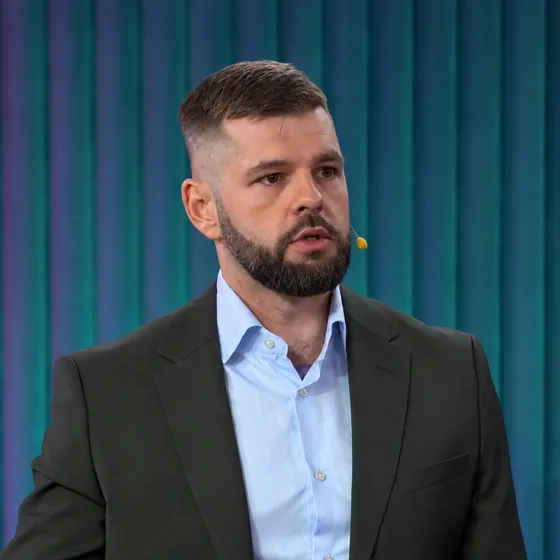
I am an analyst of Russia and Eastern Europe.
I grew up in a Russian-Ukrainian family — my mother comes from western Ukraine, which I visited regularly as a child and where I learned Ukrainian. I spent 26 years in Russia: I grew up in Krasnodar and lived in Moscow. I have crossed the European part of the country many times, north to south and back.
I read law at Kuban State Agrarian University (2013) and took a master’s degree in economics at Kuban State University (2016). I have worked in IT since 2014, the whole time in the private sector. I lived and worked in Cyprus (2016–2018) and Germany (2018–2020). I left Russia for Poland in April 2022, five months before the mobilisation decree.
I am a graduate of the Leadership School of the Warsaw Freedom Institute (2026), today one of its speakers, and a student of Post-Graduate Eastern Studies at the University of Warsaw (since 2026).
Krasnodar and Moscow — the provinces and the capital, seen from both
fluent in speech and writing — Polish, Russian, Ukrainian, English
decrees, ministerial orders, registers — each with a number and a date
the cost of a document, a border and a relocation, from my own road
Upcoming appearances and standing platforms
Six subjects I follow continuously. On each one I say where the knowledge comes from: a source act with a number and a date, an account from people on the ground, or my own experience — named as such.
Russian IT and network control
The state does not need to cut the network off while leaving it costs more than staying inside. Interception in the cable, payments, biometrics, apps that cannot be removed, private ecosystems — each layer convenient on its own, together inescapable.Twelve years in the industry. Before the war I advised, mentored and trained teams at a dozen or so large Russian, Belarusian and Ukrainian IT companies — e-commerce and fintech.
The provinces and Moscow
Moscow decides what system a region operates in, and the region learns of it from a decree. Regional bodies written into a single system of public power, a president who can suspend the governor’s acts, a warning and the dissolution of the regional legislature — all in one act. What follows from that for the budget, the job market and the flight schedule I show on separate documents.I grew up in Krasnodar and lived in Moscow. I watched Russia’s transformation from the inside.
Nationalism and street violence
The right to use force in the name of order is something the state enters in a register and strikes from it. People’s druzhiny and registered Cossacks hold an entry; hooligans, Russkaya Obshchina and pro-war radicals operate on informal consent.I read this subject from regional registers and from investigations, not from my own experience.
Repression, documents and departure
The foreign-agent register, the Justice Ministry list, a passport that cannot be renewed — and the conscription register, where the travel ban runs from the day the summons is placed in it, with no decision taken about the individual. The other measures do require a military commissar’s signature.I left five months before the mobilisation decree — the conscription half I read from the acts, not from my own road. Three departures and one return; I know hundreds of Russian émigrés personally.
Manufacturing consent
The attitudes that sustain the war today were formed by the institutions of 1991–2022. The 1990s and order over freedom, securitisation after the attacks, the prosperity years, the besieged fortress — with the textbook and the television as carriers.I read this subject from textbooks, television and Levada data.
Tools used abroad
Abroad, Russia reaches for tools built for domestic use. Embedding in existing diaspora structures, the embassy as an electoral node, the production of narratives, enforcing sanctions against people holding European documents.I read this subject from European documents and investigations — sanctions listings, indictments, reports.
Four numbers and one boundary
Each with a named source and a link to the text. Alongside, the topics I leave to others.
Tourists in Crimea in 2025Announced as a post-Soviet record.Substitute resort
Drop in bookings a year laterHotels cut prices by 40–50%.Substitute resort
People in the compatriot resettlement programme in 202516% fewer than the year before.We don’t abandon our own
First residence permits issued to Russians in Poland in 2025Against 23,473 in 2021 — the work channel closed.The exodus that would have to outrun mobilisation
Publications
I write in Polish; all eight long-form texts are also in English. Each opens with a claim and names what it rests on — the document, the data series, the investigation. I read the sources through twenty-six years in Russia, from different levels of that society and not only the elite.
The Code of the Woods: how the Russian state issues football hooligans a licence for violence, and takes it back
How the state granted football hooligans the right to violence and began withdrawing it: from arranged fights in the woods, through blacklists and the FSB, to “Española” and the front.
Eastern Direction · 22.08.2026The next wave would have to happen before its own trigger, or not at all.Claim · the call-up register and the exit bans Eastern Direction · 22.08.2026The exodus that would have to outrun mobilisation
Whether a second wave of emigration is still possible — read from four series of migration data instead of from mood, and from the architecture of the conscription register.
Understanding Russia · 24.07.2026The state did not design this cage — it is decorating the inside.Claim · 173.9m trips in 2025 Understanding Russia · 24.07.2026A country as a substitute resort
The wartime boom in domestic tourism as a tool for managing isolation: where the growth came from, which regions absorb it, and what the state does with it.
Understanding Russia · 29.06.2026Law was everything except a system of norms.Claim · XIV SPBILF, St Petersburg Understanding Russia · 29.06.2026The St Petersburg Legal Forum as an ideology factory
The St Petersburg legal forum as the place where the apparatus encodes its direction for the years ahead — and what the word “law” means in Russia in 2026.
Previous lectures and conversations
Panels and conferences
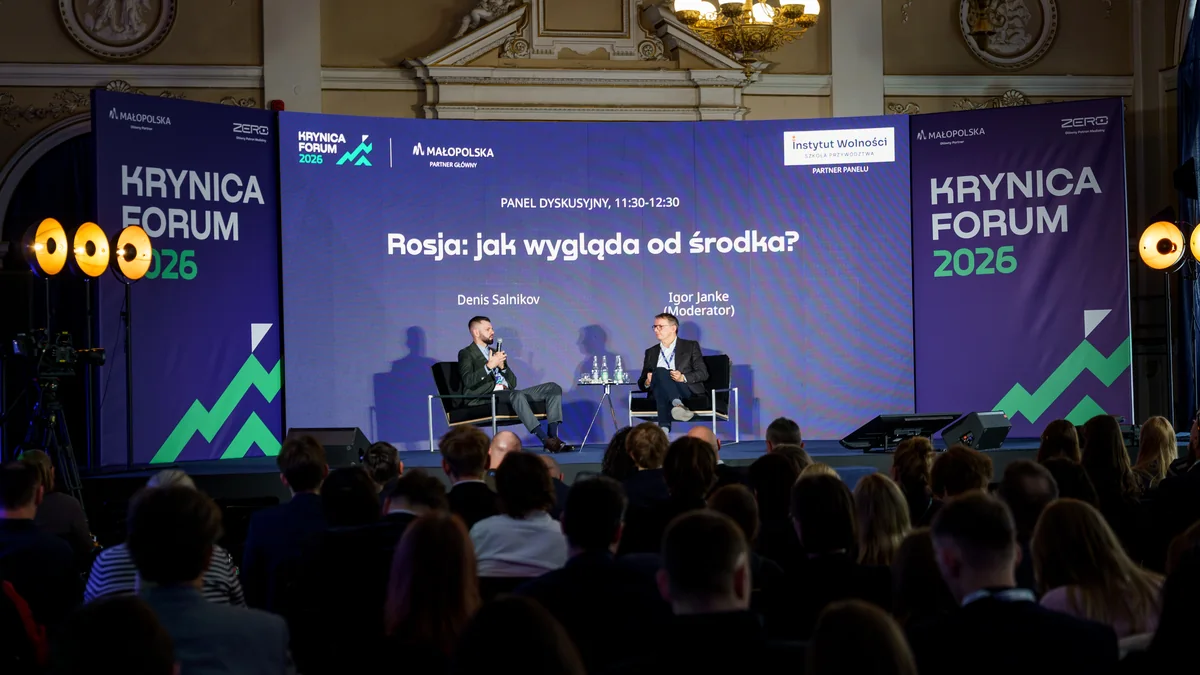
Russia: how does it look from the inside?
An hour-long panel discussion with Igor Janke — what everyday life in Russia looks like and how Russians see Poland.
A conversation about Russia outside Moscow: what the regions get from the centre and what the centre expects of them. About xenophobia and what it means in daily life — for ethnic Russians and for Russian citizens of other nationalities. About how Russians talk today about the war and about Ukraine, what schools and state youth programmes teach, and about the Church as one instrument of Russian influence abroad.
Conversations and recordings
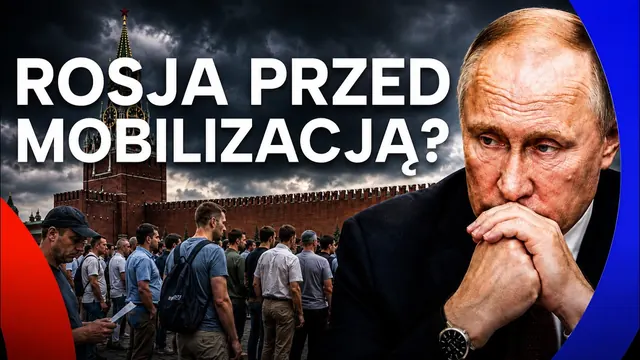 Is Putin preparing mobilisation? On the drone war, the economy and the fear of the eliteKanał Otwarty · war and mobilisation
From Ukrainian strikes on refineries and Wildberries warehouses to the question of whether the Kremlin needs a second wave at all. On creeping mobilisation, the electronic conscription register, and how far contract recruitment reaches. In Polish.
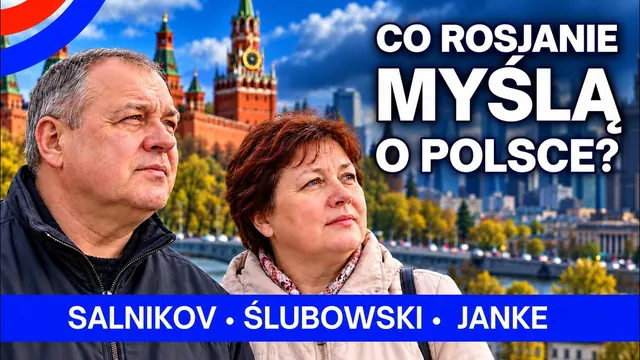 63% of Russians hold a negative view of Poland. What propaganda changedKanał Otwarty · propaganda and public mood
Polish culture, music and cinema had an audience in Russia; today state television casts Poland as threat number one. On the polling, the gap between generations, and what survives of that image in Kaliningrad. In Polish.
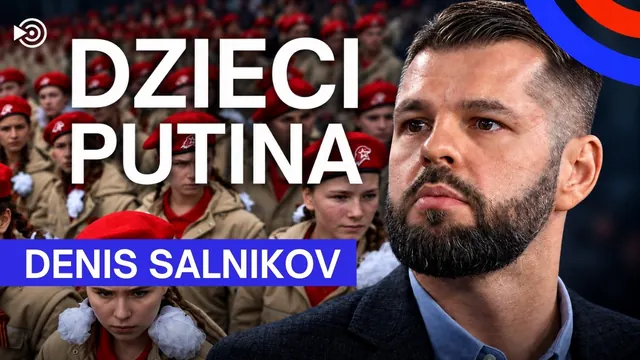 Is Russia preparing children for war? What young Russians are taughtKanał Otwarty · raising children for war
The Russian school after 2022 teaches drone handling, enemy recognition and wartime patriotism. Yunarmiya, “Conversations about what matters”, the new history textbooks and veterans in the classroom: an inventory of one system. In Polish.
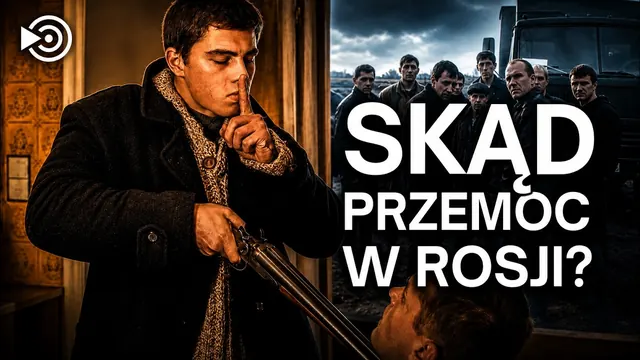 “Brat”, “Slovo patsana”: how mass culture explains the way Russians thinkKanał Otwarty · mass culture
“Brat”, “Bumer” and “Slovo patsana” read as source material on where the appeal of criminal subculture in Russia comes from. The open question is whether the films described those codes or bred them. In Polish.
Lectures
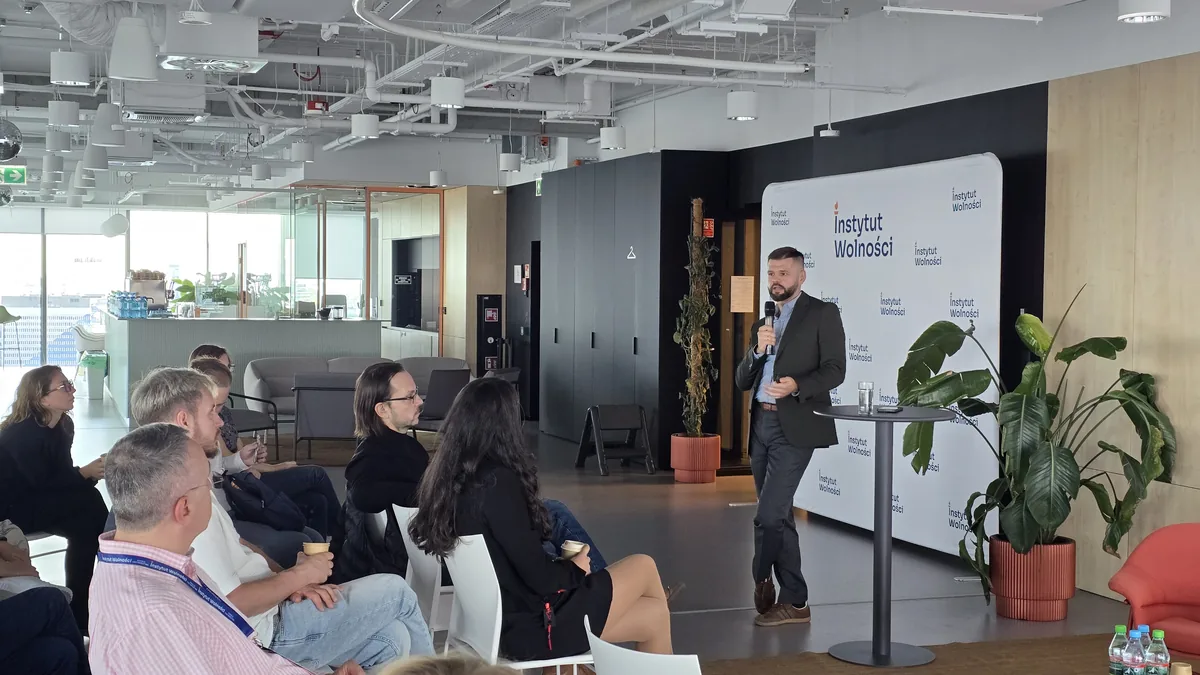 Delivered at the Leadership School of the Warsaw Freedom Institute
Sovereign internet — the architecture of control
How the state builds control into the network itself: layers, throttling, blocking, the state messenger, the AI law as a loyalty contract. The engineering of access, before anyone gets to content.
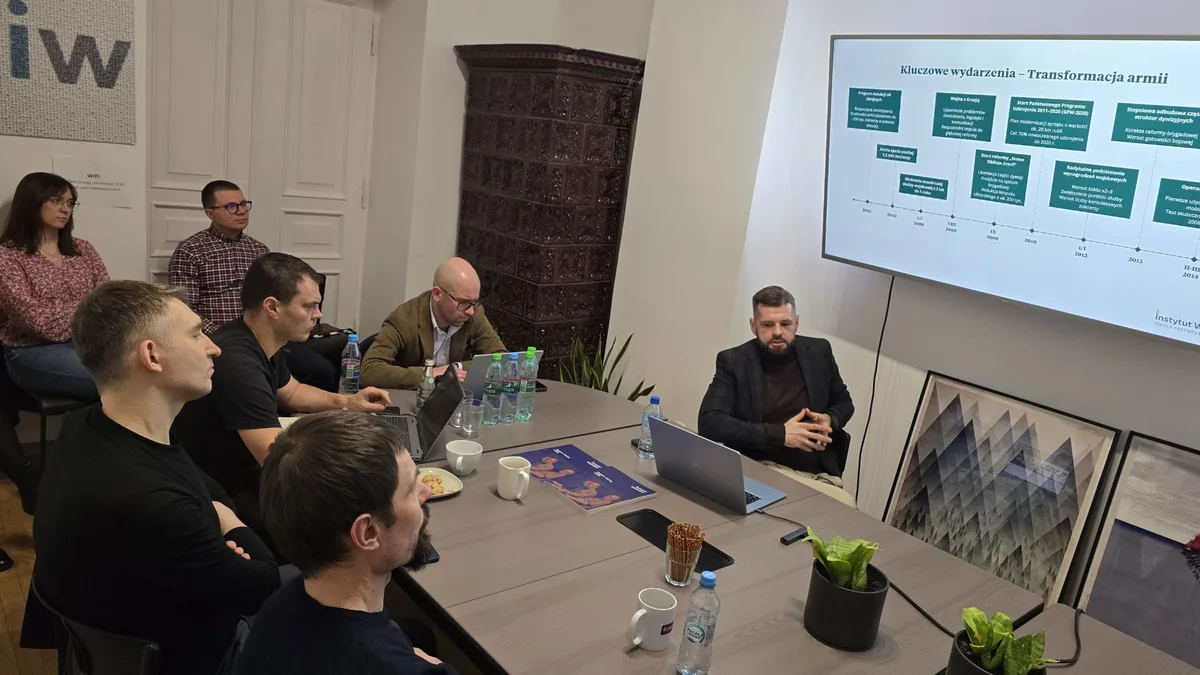 Delivered at Forum Praktyk, Warsaw Freedom Institute
Life in Russia from the inside
Six phases of adaptation to state violence — what happens, in order, to a person who stays. The word “mentality” is not used once in this lecture.
Analysis on commission, talks and interviews by arrangement — for any of the six subjects listed above.
Closed sessions for teams
I also work with companies that have a specific problem with the East: HR and mobility, fraud and AML, board and risk, the state and its own technology sector.